THE ADVENTURE COLLECTIVE® · Independent discovery and booking for outdoor travel

A full-day escape from Marrakech into the High Atlas—walk to Imlil’s waterfalls, visit an argan cooperative, enjoy a traditional Berber lunch, and optionally ride a camel. Expect 2–3 hours on varied mountain trails and plenty of cultural stops.
A full-day escape from Marrakech into the High Atlas—walk to Imlil’s waterfalls, visit an argan cooperative, enjoy a traditional Berber lunch, and optionally ride a camel. Expect 2–3 hours on varied mountain trails and plenty of cultural stops.
You step out of Marrakech’s morning haze and the road unspools into ochre hills; the Atlas Mountains tighten the horizon, their ridgelines cutting like a blade. A stop at a women's argan cooperative offers a human counterpoint to the landscape—women pressing oil by hand, the scent of toasted nuts drifting into the bus.
Verified experiences and guided adventures in the surrounding area.
Operated by Things To Do From Marrakech · Marrakech, Marrakech-Safi
You step out of Marrakech’s morning haze and the road unspools into ochre hills; the Atlas Mountains tighten the horizon, their ridgelines cutting like a blade. A stop at a women's argan cooperative offers a human counterpoint to the landscape—women pressing oil by hand, the scent of toasted nuts drifting into the bus.
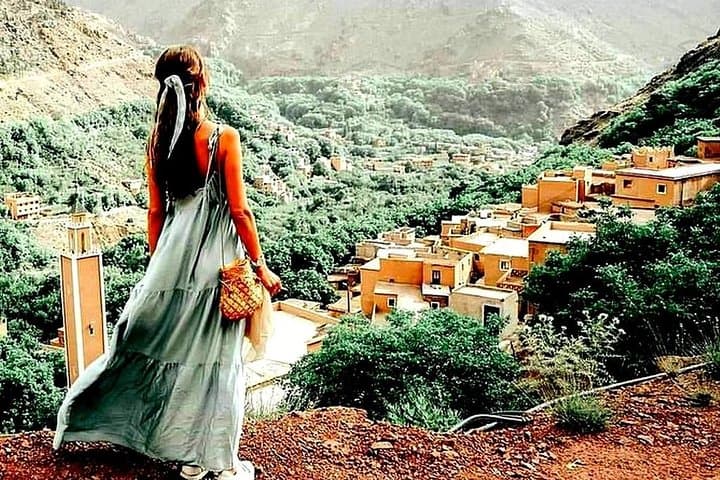
By late morning you arrive in Imlil. The valley breathes cool air; a stream dares you to follow it upriver toward waterfalls and stacked stone villages. Your local guide leads a 2–3 hour walk on trails that rise and fall—chiseled mule tracks, rocky pitches, and shaded woodland—unveiling views of Jebel Toubkal, North Africa’s highest peak.
Geologically the High Atlas is young and uplifted, folded by tectonic collisions that created steep valleys and dramatic scree slopes. Culturally, the villages here are Amazigh (Berber): terraced fields, flat-roofed houses, and enduring hospitality. Lunch is traditional—couscous or tajine—served with mint tea in a family home, a direct line into local life.
Practical guidance: wear sturdy walking shoes, carry 1–2 liters of water, and layer for sun-to-cool shifts; mornings can be warm, afternoons crisp by altitude. The route is suitable for most fitness levels but expect uneven terrain and short climbs. Photography stops are frequent, so plan for sun protection and small change to buy snacks or support cooperatives. If you want a camel ride or extra time in a souk, mention it when booking; the day finishes back in Marrakech in the early evening, tired but grounded from mountain air and village hospitality.
moderate.
7 hours.
Suitable for travelers in average shape who can walk 2–3 hours over uneven terrain with short climbs.
Expect about 2–3 hours of guided walking in Imlil, spread across several short sections with stops for views and cultural visits.
The tour is marketed as suitable for all fitness levels, but uneven trail sections may be challenging for very young children or people with mobility issues; contact the operator about infant seats and custom pacing.
A traditional Berber lunch—typically tajine or couscous—plus mint tea is included; vegetarian options are usually available if requested in advance.
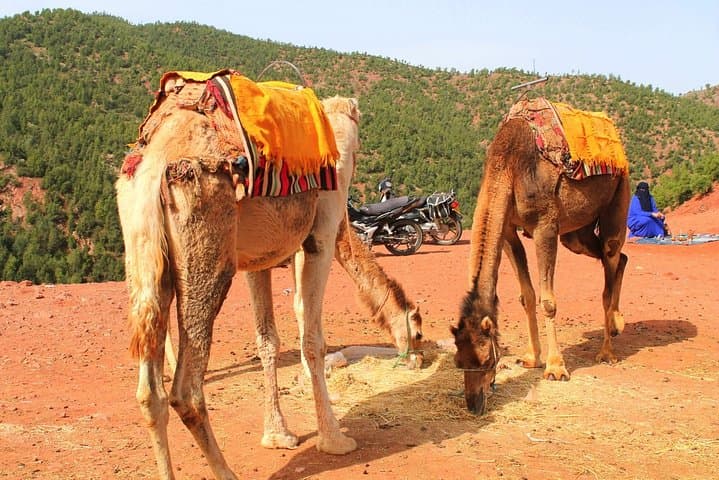
Yes—there’s an optional short camel experience near the route; mention interest when booking or ask your guide during the day (may incur extra cost).
The High Atlas was shaped by tectonic uplift and has long been home to Amazigh (Berber) communities; many villages maintain traditional farming and craft practices such as argan oil production.
Support sustainable tourism by buying from local cooperatives, sticking to marked trails to limit erosion, and avoiding single-use plastics where possible.
Things To Do From Marrakech operates guided outdoor trips and adventures with an emphasis on safety, stewardship, and memorable experiences.


You step out of Marrakech’s morning haze and the road unspools into ochre hills; the Atlas Mountains tighten the horizon, their ridgelines cutting like a blade. A stop at a women's argan cooperative offers a human counterpoint to the landscape—women pressing oil by hand, the scent of toasted nuts drifting into the bus.
You step out of Marrakech’s morning haze and the road unspools into ochre hills; the Atlas Mountains tighten the horizon, their ridgelines cutting like a blade. A stop at a women's argan cooperative offers a human counterpoint to the landscape—women pressing oil by hand, the scent of toasted nuts drifting into the bus.
By late morning you arrive in Imlil. The valley breathes cool air; a stream dares you to follow it upriver toward waterfalls and stacked stone villages. Your local guide leads a 2–3 hour walk on trails that rise and fall—chiseled mule tracks, rocky pitches, and shaded woodland—unveiling views of Jebel Toubkal, North Africa’s highest peak.
Geologically the High Atlas is young and uplifted, folded by tectonic collisions that created steep valleys and dramatic scree slopes. Culturally, the villages here are Amazigh (Berber): terraced fields, flat-roofed houses, and enduring hospitality. Lunch is traditional—couscous or tajine—served with mint tea in a family home, a direct line into local life.
Practical guidance: wear sturdy walking shoes, carry 1–2 liters of water, and layer for sun-to-cool shifts; mornings can be warm, afternoons crisp by altitude. The route is suitable for most fitness levels but expect uneven terrain and short climbs. Photography stops are frequent, so plan for sun protection and small change to buy snacks or support cooperatives. If you want a camel ride or extra time in a souk, mention it when booking; the day finishes back in Marrakech in the early evening, tired but grounded from mountain air and village hospitality.